
Hallo zusammen!
Ich beginne ein riesiges Projekt, bei dem es darum geht, den Bauerngarten meiner Großmutter wiederherzustellen. Um es kurz zu machen: Meine Mutter lebt seit zehn Jahren dort, seit meine Oma die Straße entlang gezogen ist, und der Garten ist etwas verwildert. Ich habe hier als Kind immer wieder gelebt und kann mich noch genau daran erinnern, wie es vorher aussah. Mein Plan ist es, es zu restaurieren (und es hoffentlich noch besser zu machen!). Ich mache eine Ausbildung zum Gärtner und betrachte dies daher als mein erstes richtiges Projekt.
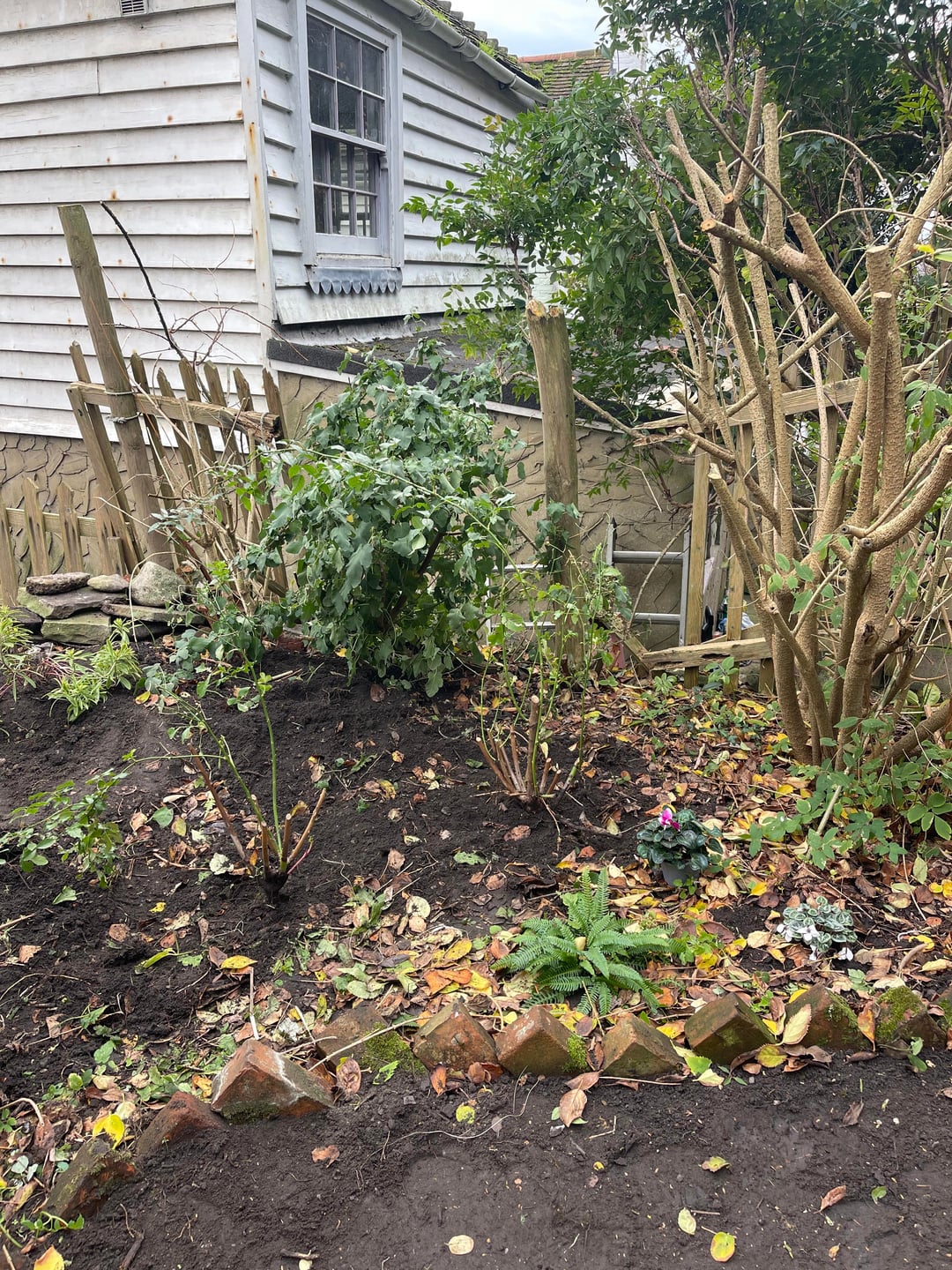
Ohnehin. Dies ist das größte Beet und früher war es voller Rosen. Ich fand einen alten Rosenstrauch, der von einem großen Farn zerquetscht wurde, der zu viel Platz im Beet einnahm. Ich habe den Farn geteilt und weitere schattige Teile des Gartens gepflanzt und die zerquetschten Rosen auch an neue Stellen im Beet verschoben (siehe oben). Diese waren Teil desselben Rosenstrauchs, der größer war. Hinten in diesem Beet stehen noch ein paar alte Rosen – links sieht man eine aus dem kaputten Stück Zaun ragen. Ich bin mir nicht sicher, ob es sich um Kletterrosen handelt oder ob sie durch den bisherigen Aufenthalt im Schatten sehr langbeinig geworden sind.
Welche Pflanzen passen gut zu den Rosen? Auf der linken Seite, gerade außerhalb des Bildes, habe ich einen Fingerhut, Echinacea und einen Geum gepflanzt. Es wäre gut, eine Mischung aus Laub zu haben, um den nackten Boden zu bedecken, und ein paar weiteren Blumen, um die Cottage-Atmosphäre zu erzeugen.
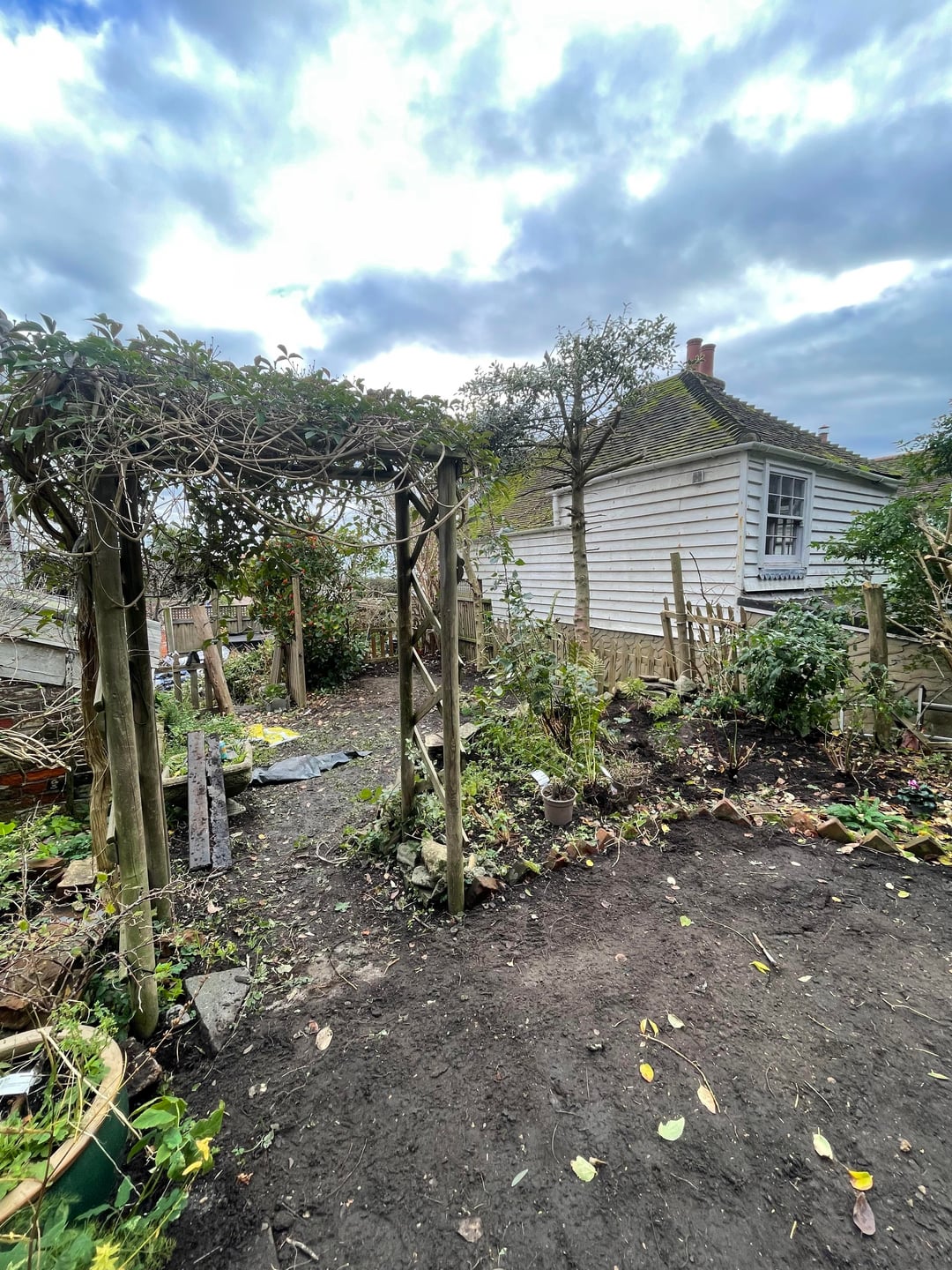
Dies ist nur ein kleiner Teil dieses erstaunlichen Gartens. Erwarten Sie also, dass noch viele weitere Fotos und Fragen folgen werden!
Von: brigitteo
5 Comments
You are off to a great start, that bed has good bones. With roses, the big rule is give their crowns air and light, then knit everything else together around their feet. Think layers. Tall loose stuff at the back to disguise the fence and leggy rose stems, medium perennials in the middle, then low “skirts” right at the front so you keep that cottage jumble without choking the roses.
Around and between the roses, think stuff that can handle a bit of root competition and dry spells: hardy geraniums (Geranium Rozanne, Johnson’s Blue, etc), nepeta, lady’s mantle, astrantia, and salvias are classic rose partners. For the cottage vibe and long season, mix in foxgloves, verbena bonariensis, and achillea for verticals. For foliage and ground cover, use things like heuchera, lamb’s ear, and low thyme at the very front, but keep at least a 30 cm clear ring around each rose stem so they do not sulk or get mildew from cramped air.
At the very back where that broken fence and lanky growth is, I would run a loose line of taller stuff to blend it out and give the roses a backdrop, think campanula lactiflora, delphiniums, tall phlox, or even a couple of shrubs like philadelphus or a smaller viburnum if you have the space. Since you are restoring a memory, it might help to mock the bed up in something visual before you start buying a ton of plants, the GardenDream web tool is handy for that, you can drop in a photo of this exact bed and shuffle perennials and colors around until it feels like your grandma’s garden again, then plant with confidence.
you should plant something beautiful, colorful, nice smelling. for example…peonies. what do you thing about this??
Around the roses they don’t like to have too much around the stems they need to breath stick to something low growing like creeping thyme/mexican daisy/ wild strawberry. You can also play some short bulbs, muscari or mini narcissus. Just start them about 8” out.
That amount of bare soil will be rife with weeds in no time. You need to mulch it quicksharp. You’re not going to grow anything to provide cover this late in the year. By walking on it and trying to do too much, you’re compacting the soil and especially in winter it’ll become waterlogged and will favour weeds with taproots or the likes of couch grass and creeping buttercup in the spring. Get some fine chip barkmulch down as it’s a better weed suppressant, will breakdown faster and can take come footfall.
Hardy geraniums for ground cover. Salvia and Nepeta for companion planting and aphid prevention. If your ground is free draining and full sun dont be afraid to add lavender and rosemary.
Similarly sew or buy some tagetes/marigolds as annuals and they’ll help keep aphids away.