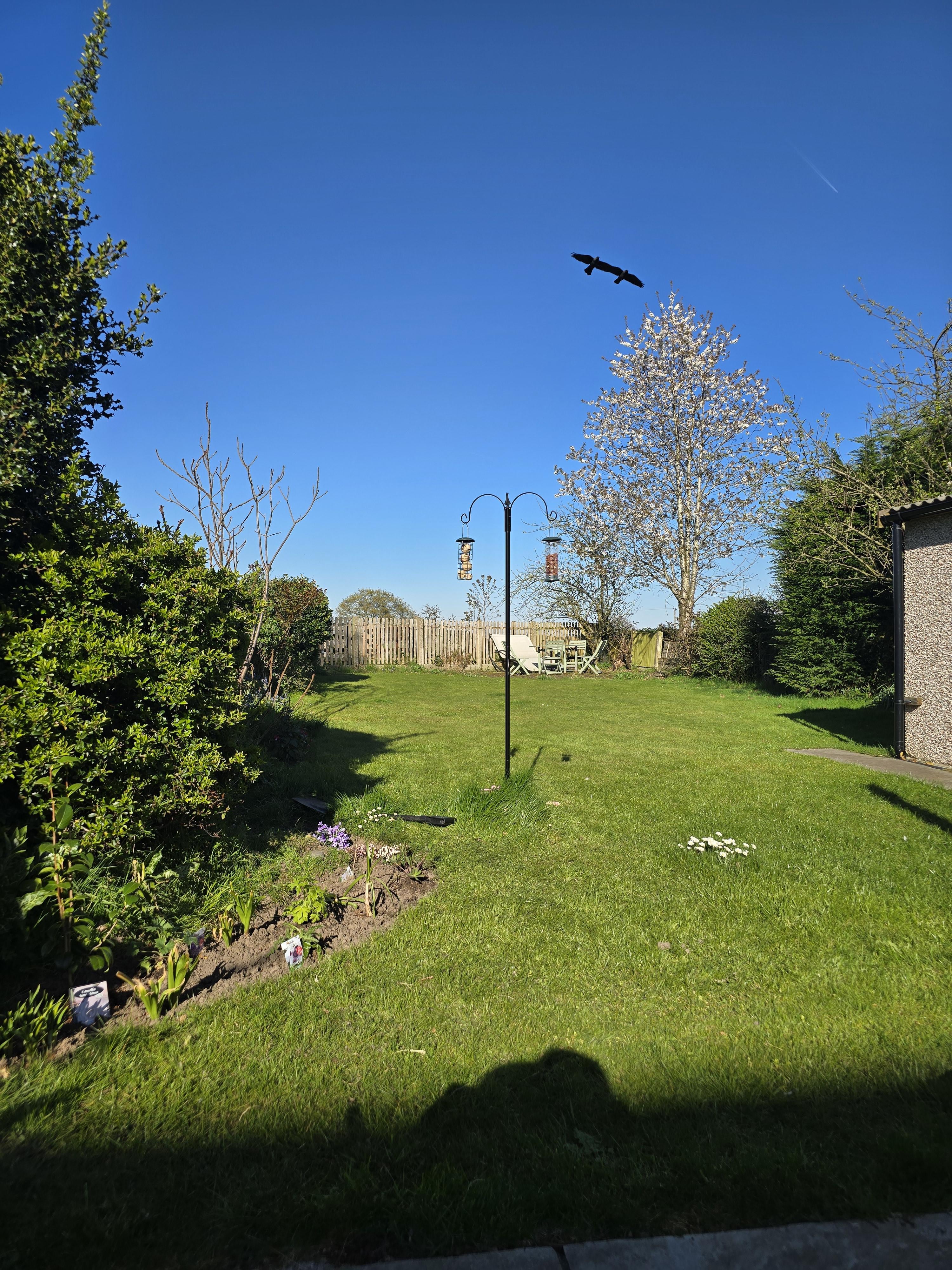
Ich bin gerade in mein Traumhaus auf dem Land und in meinem ersten Garten gezogen. Alle Tipps willkommen 🪴🍓
Von: Ms_Central_Perk

Ich bin gerade in mein Traumhaus auf dem Land und in meinem ersten Garten gezogen. Alle Tipps willkommen 🪴🍓
Von: Ms_Central_Perk
22 Comments
GORGEOUS!
Wow congratulations! And how stunning! You will have very fertile soil by the looks of that grass and all that greenery.
It’ll be lovely to have some pink hydrangeas, purple salvias, nepeta, some hostas, fruit trees (pears or plums), roses , acers… the sky is the limit for you! Enjoy! Btw you can check out ‘Paul TS world’ on yt. And try to get the plants that he has. They’re all stunning
Apart from regular mowing and weeding I’d suggest enjoy it as it is for the first year and make a note of what you do and don’t like.
General rule of thumb is to not touch it for a year and see what pops up. Looks fab! Well jel.
Do you have conjoined birds? Flapping that center wing must tricky
Perhaps move the bird feeder closer to the bushes as birds are very timid and like to have cover to dive into/out of.
Jackdaws are built different in the countryside.
Don’t do a lot except weeding & mowing the first year, watch Gardener’s World every week and see what you like, take notes because they give very useful tips. Plant bulbs in September/October and really begin gardening in a year, when you know your garden and what you want and like.
What the others have said. Watch and see what grows, try to identify each plant and make notes of the relevant care for them. Most of all though, just enjoy the peace and quiet of rural life.
Download an ai plant identification app and run around the garden like a mad man scanning everything.
Double congratulations.
It looks like a very nice first garden. My advice. Take your time. You need to see what you already have in every season before you complete any plans. You’re already asking Reddit, which is my other advice!
My second congratulations are for you phographic proof of the double-bodied crow, previously thought to be extinct.
This photo will soon be famous.
Grow some vegetables, you’ll find it very rewarding
Congrats! get a book of flowers and plants 🙂
Consider a woodland theme at the far end. It will reward you in ways you cannot imagine. It will encourage all sorts of wildlife into your garden and help to establish a permanent Eco system where the worst effects of pests are neutralised by the creatures that inhabit the garden. We did that with our garden and right now I can see ducks, pheasants and various birds in the garden. Funny but they are never a nuisance and don’t permanently live in the garden but it’s obviously on their foraging route! Last year the mother duck escorted 13 baby chicks around the garden having laid her eggs on the compost heap, (another recommended feature of a healthy garden). The year before our garden camera was lucky enough to pick up The Pheasant, also escorting half a dozen chicks around the water bowls. We also have a resident hedgehog which plays its part in keeping this slugs down. What a fabulous little chap he is! He often leaves a leaf inside the feeding shelter as if to say thank you for the food we leave him. If you have kids, this is an absolute no brainer.
As others have said, wait and see how it develops. Watch where the sun rises and sets, notice how wet/dry the soil is throughout the year. This will inform plant choices and hard landscaping. Photograph each side at the beginning of each season to see how it changes and where there are gaps. I’d mulch the beds too, will improve the soil ready for planting.
No tips but god I’m jealous, enjoy!
Planning something similar in the next few years, may I ask what part of the country you’ve moved to? The potential of that garden is incredible. 🙂
Robot mower. Trust me
That’s a Bi Buzzard
Measure it draw up a map of what’s where and in the coming year plot where the sun is throughout the year and think about how you may best use the space. Thinking about best place to have patio with table, seating, where pathways and beds may work. Sheds, pagodas, benches, bbq. etc. Best to spend the first year living in the space before doing anything too drastic and start working on ideas of what you want to add over time. It’s good to see what’s there through the different seasons and how the trees& shrubs change so when it comes to designing you have a greater understanding of the garden in different seasons and not just the season you moved in. Then you can either design and develop the garden yourself over time or hire a professional designer to help you create your vision who may also have ideas you may not have thought of. But it’s best not to rush it as getting the framework right in the first place is really Important. Knowing the sunny spots at different times of year can really change plans of the pros and cons of different areas. Like some areas may flood or hold water, or be dry. Getting to know your soil, windy spots, and things you may not be aware of, but having an accurate garden plan is really useful. Then make copies to explore design ideas as you go along. Mostly just enjoy your new space and get to know it across the different seasons and wildlife and weather before doing anything drastic. Then do your hard landscaping, then add features and plants as you grow into the space.
Wait a full year and see what’s growing. Make a few blank garden plans and not the species that appear.
Note the areas that get shade and are more damp after rain.
Good luck. It looks beautiful!
Looks idyllic, just enjoy it 😊